
What is Polyhydramnios?
Polyhydramnios means there is too much amniotic fluid around a baby during pregnancy. Amniotic fluid is the liquid that surrounds and protects the baby in the womb. Usually, this fluid helps the baby grow and move. However, sometimes the body makes more fluid than needed. This condition is called polyhydramnios. It can happen at any stage of pregnancy, but it is more common in the second half. According to the World Health Organization (WHO), polyhydramnios affects about 1% of pregnancies. Because it can affect both mother and baby, it is important to know the signs and seek care.
Symptoms of Polyhydramnios
Many women with polyhydramnios may not notice symptoms at first. Still, some may feel changes as the fluid increases. Early detection can help prevent problems. Watch for these signs:
If you notice any of these symptoms, talk to your doctor. Sometimes, symptoms can be mild. But in other cases, they may become severe quickly.
Causes and Risk Factors
There are many reasons why polyhydramnios can happen. In some cases, doctors cannot find a clear cause. However, certain factors can increase the risk:
Even so, most women with these risk factors will not develop polyhydramnios. But knowing them can help you stay alert.
How Polyhydramnios is Diagnosed
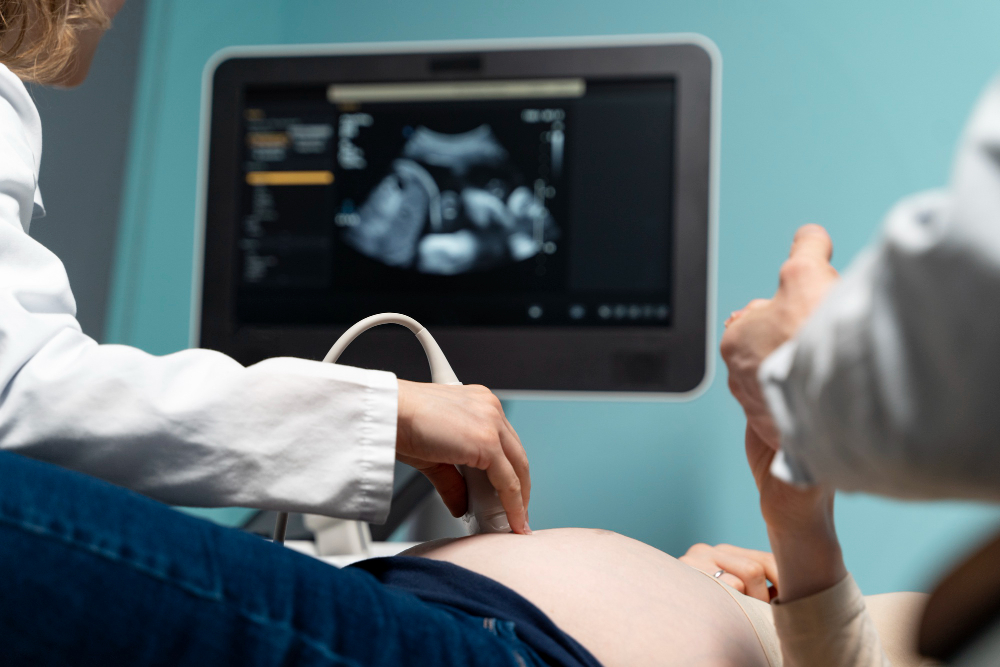
Doctors use several methods to check for excess amniotic fluid in pregnancy. First, they may notice a larger belly during a routine checkup. Next, they often use an ultrasound to measure the amount of fluid. The test is safe and painless. Sometimes, doctors may also check the baby’s health and growth. Blood tests can help find infections or diabetes. Early diagnosis allows for better care and monitoring.
Treatment Options
Treatment for polyhydramnios depends on how much extra fluid there is and the cause. In mild cases, doctors may only watch the pregnancy closely. For more severe cases, treatment may include:
According to the Centers for Disease Control and Prevention (CDC), most women with polyhydramnios have healthy babies with proper care. Still, regular checkups are important.
Possible Complications
Polyhydramnios can lead to some problems if not managed well. These may include:
However, with good medical care, many of these risks can be reduced.
Prevention and Lifestyle Tips
While you cannot always prevent polyhydramnios, some steps may help lower your risk. For example:
Even though not all cases can be prevented, these tips support a healthy pregnancy.
When to See a Doctor
If you notice rapid belly growth, severe swelling, or trouble breathing, contact your doctor right away. Also, if you feel less movement from your baby, seek help. Early care can make a big difference. Remember, regular checkups help catch problems early. Do not wait if you have concerns.
In summary, polyhydramnios means there is too much amniotic fluid in pregnancy. With early diagnosis and proper care, most women and babies do well. Consult a specialist for personalized guidance on polyhydramnios.